Kitesurfing Myths and Facts: Separating Reality from Legend
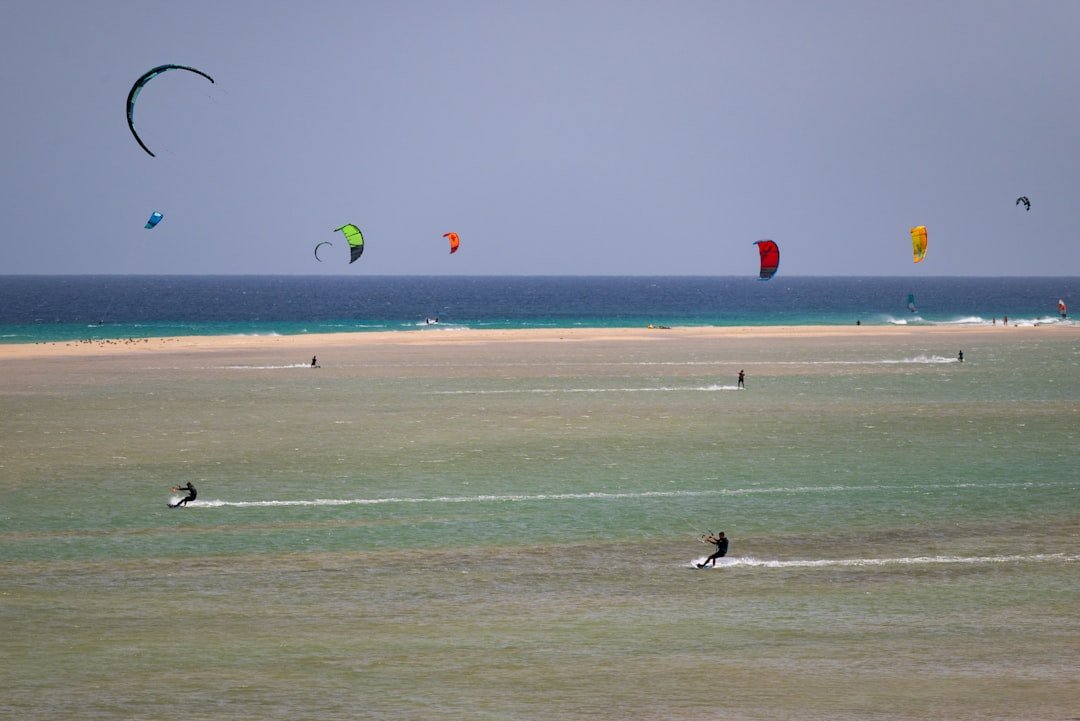
Short answer: kitesurfing has more myths floating around than almost any other water sport — from "you need to be really strong" to "it's extremely dangerous." Let's go through the most common ones with the reality behind each.
Myth 1: "You need to be really strong"
Reality: the harness transfers the kite's pull to your body, not your arms. You need reasonable fitness, not gym-level strength.
Myth 2: "It's extremely dangerous"
Reality: with a certified instructor, a suitable spot, and modern equipment with a quick release, the risk is comparable to other popular water sports. The bad reputation comes from the pre-2010 era, when equipment was less safe.
Myth 3: "You learn it in a day"
Reality: most people need 9-12 hours for real independence. Anyone promising "you'll stand on the board on day one" is either exaggerating or risking your safety.
Myth 4: "You need to buy expensive equipment to start"
Reality: equipment is included in lessons. Buying before you know how to use it means throwing money at the wrong size and model.
Myth 5: "It can only be done in the ocean"
Reality: coastal lagoons like Óbidos are ideal (and better for learning) than open sea. In fact, many experts recommend starting in flat water before progressing to waves.
Myth 6: "It's a sport only for young people"
Reality: from age 12 (IKO minimum) to people over 60, kitesurfing is more about coordination and willingness than age.
Myth 7: "If you know windsurfing or wakeboarding, you already know kitesurfing"
Reality: it helps with balance and reading the water, but kite handling (the most important and different part) is still learned from scratch.
👉 Message us on WhatsApp with any other doubt or myth you want checked. | See courses →