Kitesurfing Glossary: The Terms You Should Know
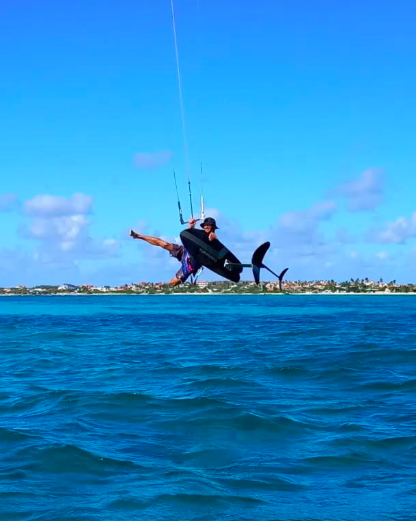
Short answer: here's a glossary with the terms you'll hear constantly in your first lesson and in any conversation among kitesurfers — so you arrive with less new vocabulary and more focus on practice.
Equipment
- Kite: the inflatable wing that generates pull from the wind
- Bar: the "steering wheel" that directs the kite and controls power
- Lines: the cables connecting the bar to the kite (usually 4)
- Harness: the belt/seat that transfers the kite's pull to your body
- Quick release: the instant power-release system for emergencies
- Leash: the safety line that keeps you connected to the kite after releasing the bar
- Twintip: a symmetrical bidirectional board, the most common for learning
Technique
- Wind window: the half-dome-shaped zone where the kite can fly
- Power zone: the center of the window, where the kite generates maximum pull
- Water start: the maneuver of standing up on the board using the kite's pull
- Body drag: letting the kite pull you through the water, without a board
- Power stroke: moving the kite to generate a burst of power
- Edging: the technique of "cutting" the water with the board's edge to create resistance and ride upwind
Wind and weather
- Thermal wind: wind generated by temperature difference between land and water (typical in afternoons)
- Knots: nautical unit of wind speed measurement
- Gust: sudden, irregular increase in wind intensity
- Onshore / offshore / side-shore: wind direction relative to the coast (toward land, toward sea, or parallel)
Levels
- IKO: International Kiteboarding Organization, the sport's international certification
- Independent: the level that lets you ride and rent equipment unsupervised
- Upwind: riding against the wind direction (a key skill for returning to your starting point)
👉 Message us on WhatsApp and put the theory into practice. | See courses →