How to Read a Wind Forecast for Kitesurfing (Windguru, Windy)
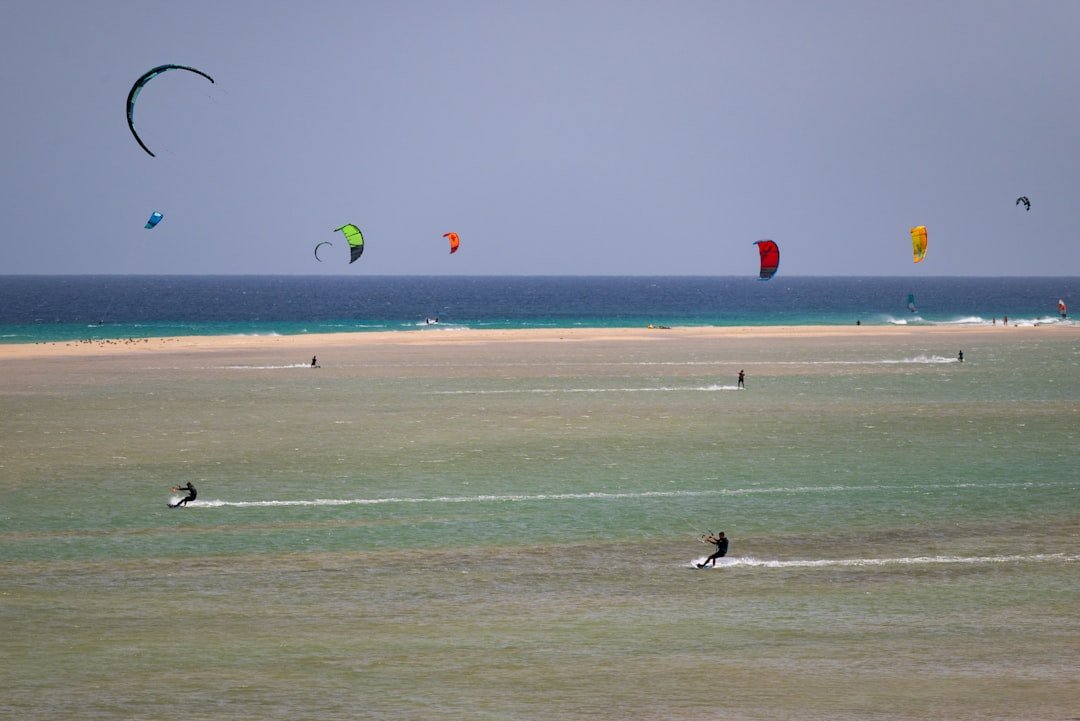
Short answer: on apps like Windguru or Windy, look at these 3 data points: wind speed (ideally 12-20 knots for beginners), direction (side-shore is safest), and gusts (the smaller the gap between base wind and gust, the better). Everything else is useful but secondary at the start.
The 3 data points that really matter
1. Wind speed (knots)
Look for the main number, usually in knots. For learning, 12-20 knots is the ideal range — not so little that you don't ride, not so strong that it overwhelms you.
2. Wind direction
Shown with arrows or degrees. What matters is its relationship to the coast: side-shore (parallel to the coast) is the safest, onshore (toward the coast) also works well, and offshore (from the coast out to sea) requires experience and caution.
3. Gusts
Look at the gap between sustained wind and gust peaks. If sustained is 15 knots but gusts hit 25, that wind is "dirty" and unstable — harder to handle than a steady 18 knots.
Secondary data (useful but not critical at the start)
- Water/air temperature: to know what wetsuit you'll need
- Wave height: more relevant at open-sea spots than at lagoons
- Tides: important at tide-dependent spots (like some estuaries)
The common mistake beginners make with forecasts
Looking only at the knot number without considering gusts or direction. A forecast of "18 knots" can be a perfect afternoon or chaos, depending on those other factors — so even if you can read the forecast, let the instructor confirm whether the day is suitable for your level.
How we do it at We Are Salty People
We check the lagoon's forecast every day and confirm your lesson 24-48hrs ahead with the exact time when the thermal will be at its best — so you don't need to become a meteorology expert for your trip.
👉 Ask us on WhatsApp about the forecast for your dates. | See courses →