Kitesurfing vs Windsurfing vs Wing Foiling: Which One to Learn First?
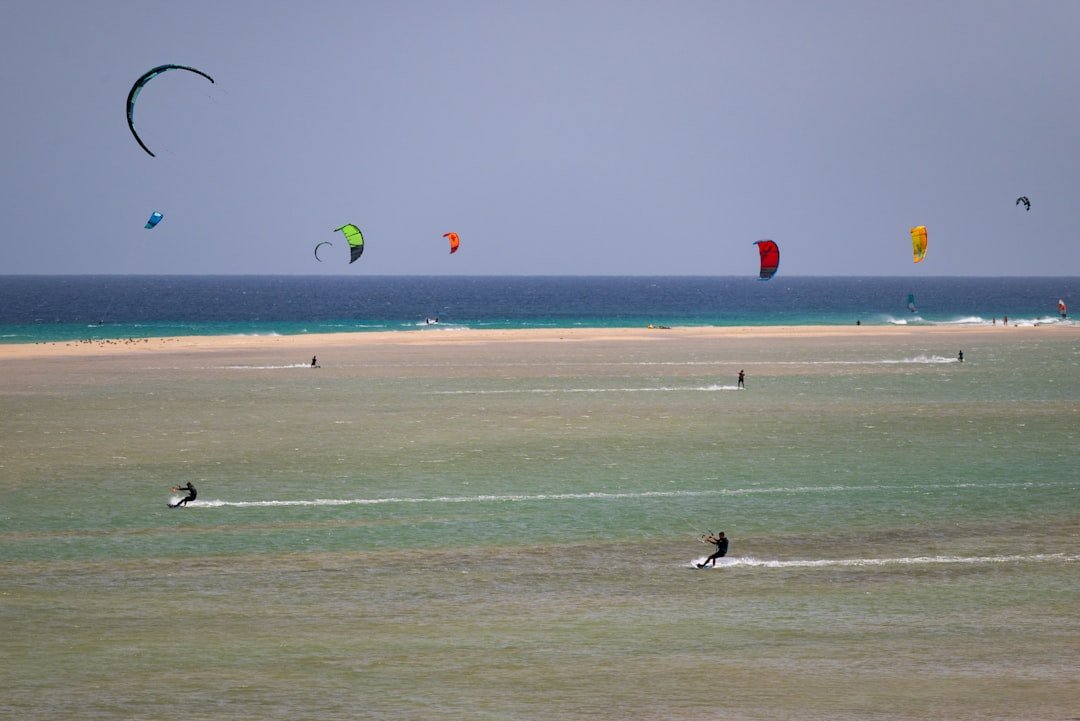
Short answer: all three are great wind sports, but they have different learning curves and feelings. Kitesurfing offers the best effort-to-reward ratio once you're past the initial phase: less gear to carry, works across a wider wind range, and the feeling of gliding (and later jumping) is addictive. Windsurfing has the most immediate start but a steeper ceiling for progression. Wing foiling is the newest and most versatile, but requires learning two things at once (the wing and the foil).
An honest comparison
Kitesurfing
- Curve: the first hours are dedicated to kite control (you don't ride right away), but progress speeds up after that
- Equipment: compact — kite, bar and board fit in a large backpack
- Feeling: powerful pull, speed, and the most spectacular jumps of the three sports
- Requires: mandatory instruction at the start (the kite has real power)
Windsurfing
- Curve: you're already riding something on day one — but mastering advanced maneuvers takes years
- Equipment: bulky (large board + sail + mast), hard to travel with
- Feeling: direct connection with the sail, more of a physical arm workout
Wing foiling
- Curve: double learning curve (handling the wing + balancing on the foil) — slower at the start
- Equipment: mid-range, and the foil requires deeper water to practice
- Feeling: "flying" silently over the water — magical, but comes after quite a bit of initial frustration
Our advice if you're starting from zero
If you're after the sport with the biggest community, the most spots worldwide, and the most fun progression medium-term, kitesurfing is the strongest bet — especially if you learn at a flat, shallow-water spot like Óbidos Lagoon, where the initial phase (the trickiest part) becomes easy and safe.
👉 Message us on WhatsApp and we'll guide you, no strings attached. | Try a Discovery lesson →