Can You Learn Kitesurfing Alone, Without an Instructor?
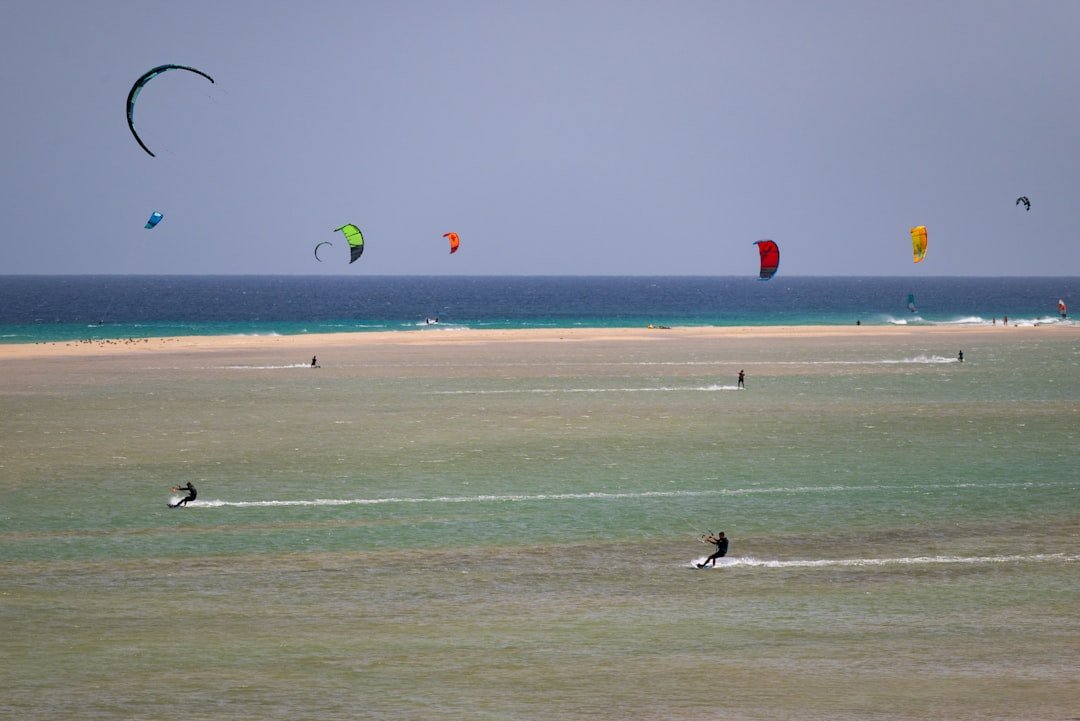
Short answer: technically it's possible, but it's the slowest, most expensive and most dangerous way to learn kitesurfing. Unlike surfing or skating, you're handling a pulling force capable of lifting you off the ground — beginner mistakes here aren't paid for with a fall, they're paid for with accidents.
Why kitesurfing isn't a self-taught sport
- The wind window isn't intuitive: a poorly positioned kite generates unexpected power in a fraction of a second
- Safety systems need to be second nature before you need them: the quick release only saves you if you can activate it without thinking
- Reading wind and spot conditions (gusts, offshore, currents) takes years of experience — or someone to pass that knowledge on to you in hours
- Wrong equipment choices (too big a kite for the day's wind) are the classic cause of self-taught scares
The false savings
Learning alone means buying equipment before knowing how to use it (€1,500-3,000, probably the wrong gear), breaking it in your first attempts, and taking weeks to achieve what an instructor gets you in hours. A 9-hour course with IKO certification costs a fraction of that and leaves you genuinely independent.
What an instructor really adds
At We Are Salty People lessons are 1:1 with a radio helmet: we correct you in real time while you're in the water, instead of you repeating the same mistake 50 times without knowing it. With the waist-deep water of Óbidos Lagoon, you practice without fear and without swimming back every two minutes.
Do YouTube tutorials help?
As a supplement, yes — they're actually useful for the theory. As a replacement for an instructor, no: a video doesn't see your mistakes, doesn't read your spot's wind, and won't save you when something goes wrong.
👉 Message us on WhatsApp and start with the right foundation. | See courses →